Field notes
Building a Highveld Bug-Out Bag
What actually works on the Witwatersrand plateau, from dry winter wind to hail that arrives without warning.
Published 14 May 2024 · Gear breakdown · 9 min read
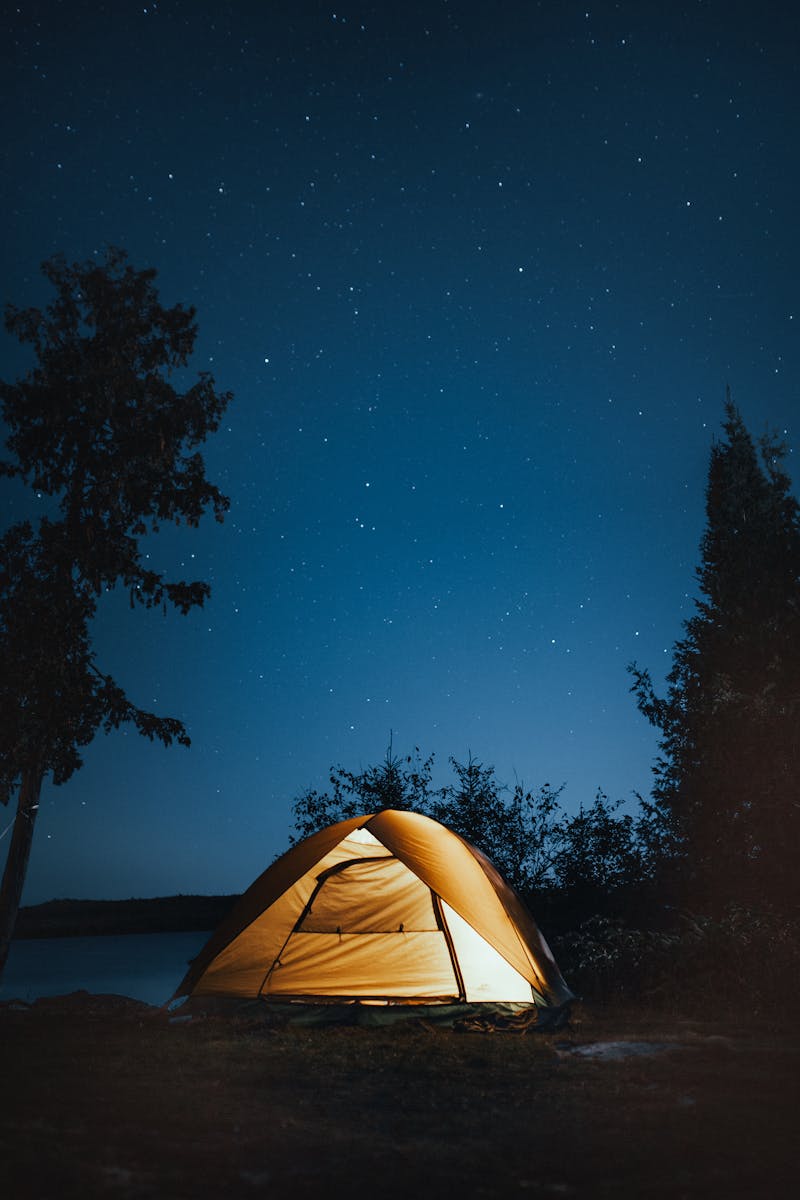
A weekend route between Gauteng towns looks simple on a map. Then the afternoon wind picks up, the temperature drops ten degrees in an hour, and the dust finds every zip you left half open. The Highveld does not need an apocalypse to make a bad kit obvious. A cold front on the N14 will do it.
Water storage is where most bags go wrong first. Two litres in a soft bladder is fine for a day hike, but on a two-night stop you want a hard bottle you can refill from a farm tap and a separate collapsible container for camp. Bladders freeze awkwardly in winter and puncture against fence wire. Keep the hard bottle outside the main compartment so you are not unpacking everything at a roadside stop.
Insulation should be layered, not bulky. A merino base layer, a fleece mid, and a windproof shell handle a Highveld night better than one thick jacket, and you can strip down by midday without carrying dead weight. The shell matters more than the fleece. Wind is the thing that ruins a comfortable evening here.
Small tools earn their place slowly. A headlamp beats a torch every time, a folding saw handles deadwood faster than a hatchet, and a roll of duct tape fixes more than any multitool blade. What people overpack: tinned food, spare boots, and a second knife. What they forget until the second night: a groundsheet, lip balm, and a way to dry socks.
Test the whole load on one overnight trip before you trust it. Pack it, walk it, sleep in it. The bag that works is the one you have already carried once when nothing was wrong.